About Women in STEM
Understanding the historical context and current landscape for women in science, technology, engineering, and mathematics
Breaking Barriers
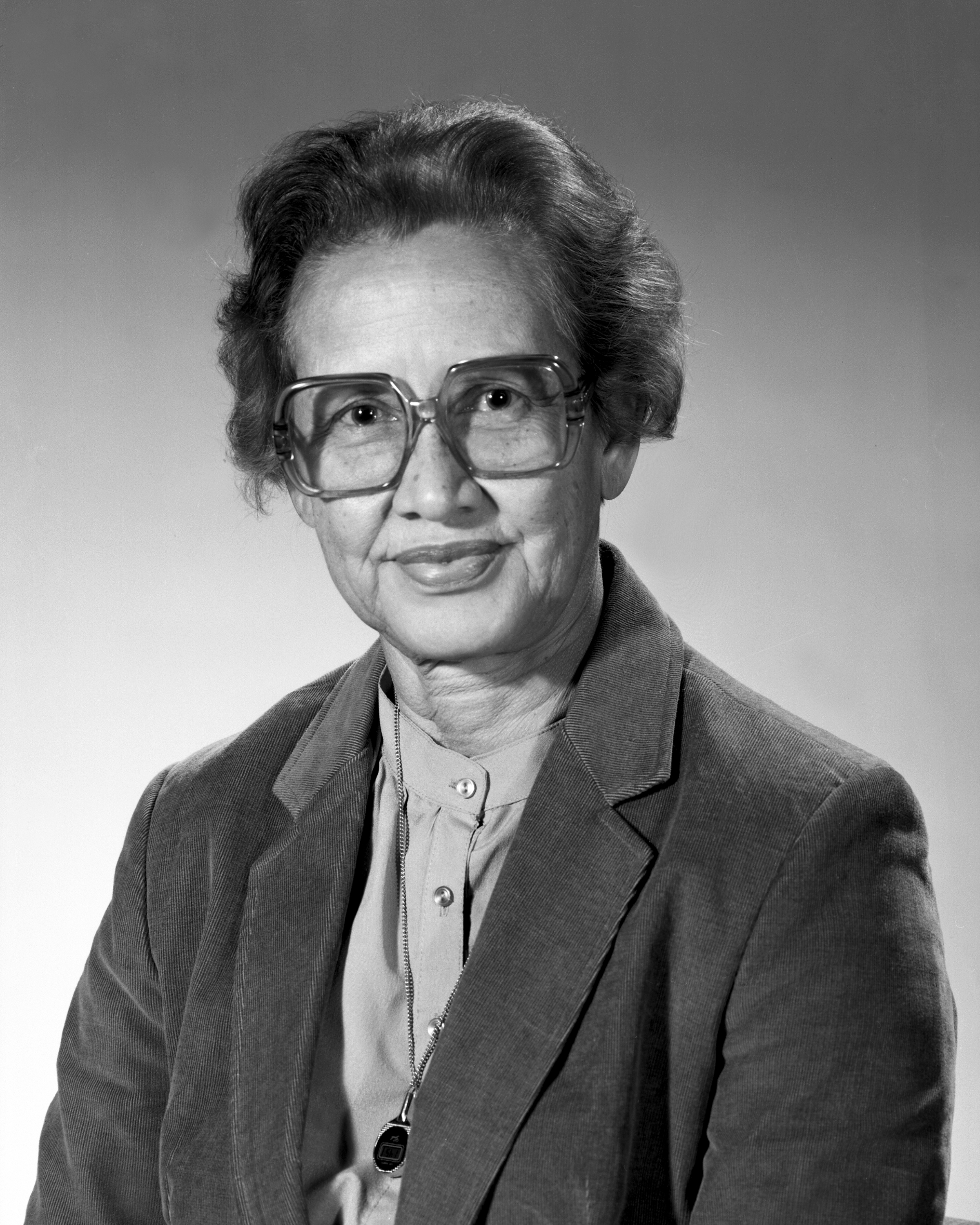
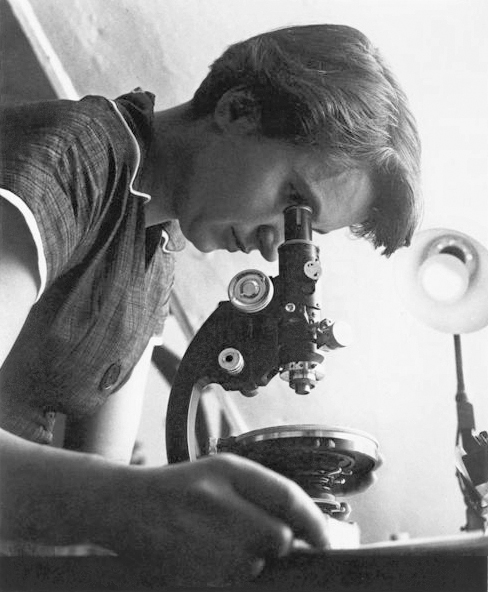
Despite facing significant historical barriers and ongoing challenges, women have made remarkable contributions to STEM fields throughout history. From Marie Curie's groundbreaking work in radioactivity to Katherine Johnson's critical calculations for NASA space missions, women have shaped our understanding of the world and advanced innovation.
Today, organizations and institutions worldwide are working to increase female representation in STEM fields, recognizing that diversity drives innovation and scientific progress.
Our Mission
To inspire, educate, and support the next generation of women leaders in STEM fields through awareness, mentorship, and resource sharing.
Why It Matters
Gender diversity in STEM is not just about equality—it's about unleashing the full potential of human innovation. When women are equally represented in scientific and technological development, we benefit from a wider range of perspectives, experiences, and approaches to problem-solving.